Anna M. Hennessey, PhD
Writer, Artist & Scholar
Consciousness, the brain, and our chimeric selves
The genetic code that goes on to create our brains, our selves, and our consciousness, is not only hereditary. Microchimerism, where non-hereditary DNA is introduced into our bodies through cells exchanged during pregnancy between the mother and fetus and vice versa, is ripe for scientific and philosophical enquiry. This article examines how these exchanges may not only alter our brain but could also have an impact our consciousness and how we experience the world.
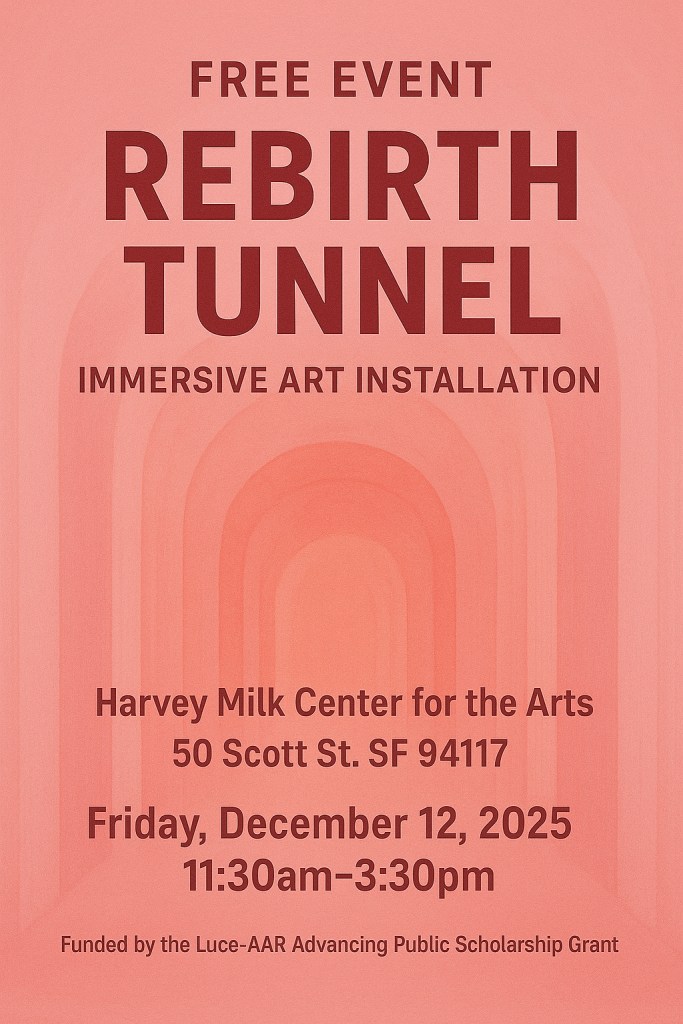
Rebirth Tunnel Immersive Art Installation
Funded by a Luce-AAR Advancing Public Scholarship Grant, this event is an immersive art Rebirth Tunnel that I held at the Harvey Milk Center for the Arts in San Francisco, California.
Harvey Milk Center for the Arts (art installation) 2025
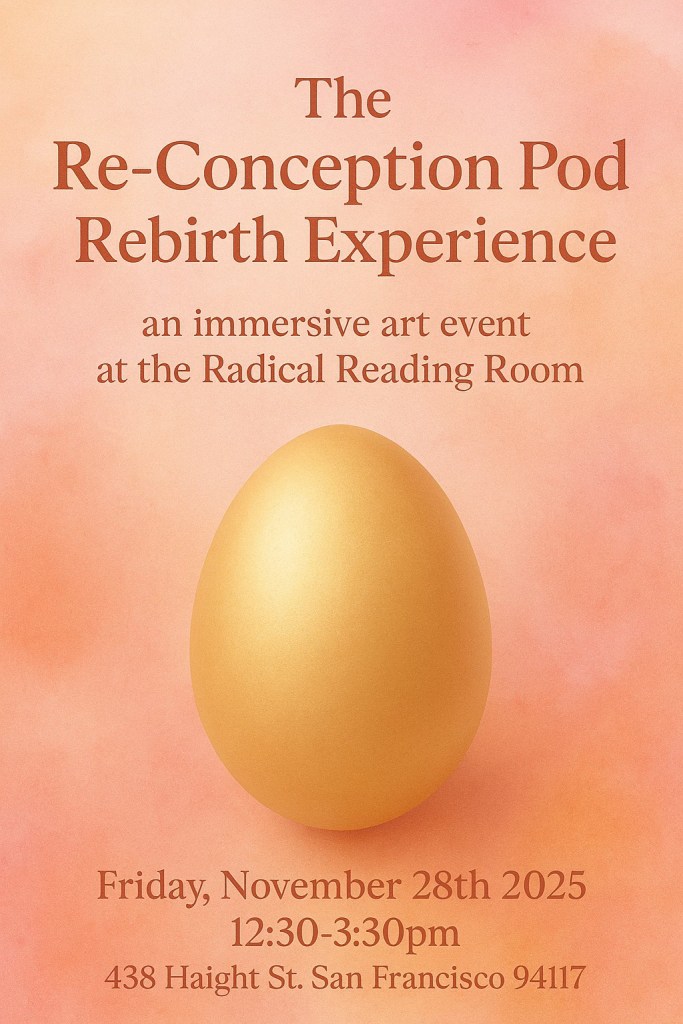
Immersive Art Re-Conception Pod Rebirth Experience
Funded by a Luce-AAR Advancing Public Scholarship Grant, this event is an immersive art re-conception pod rebirth experience that I held at The Radical Reading Room in San Francisco, California.
The Radical Reading Room (art installation) 2025
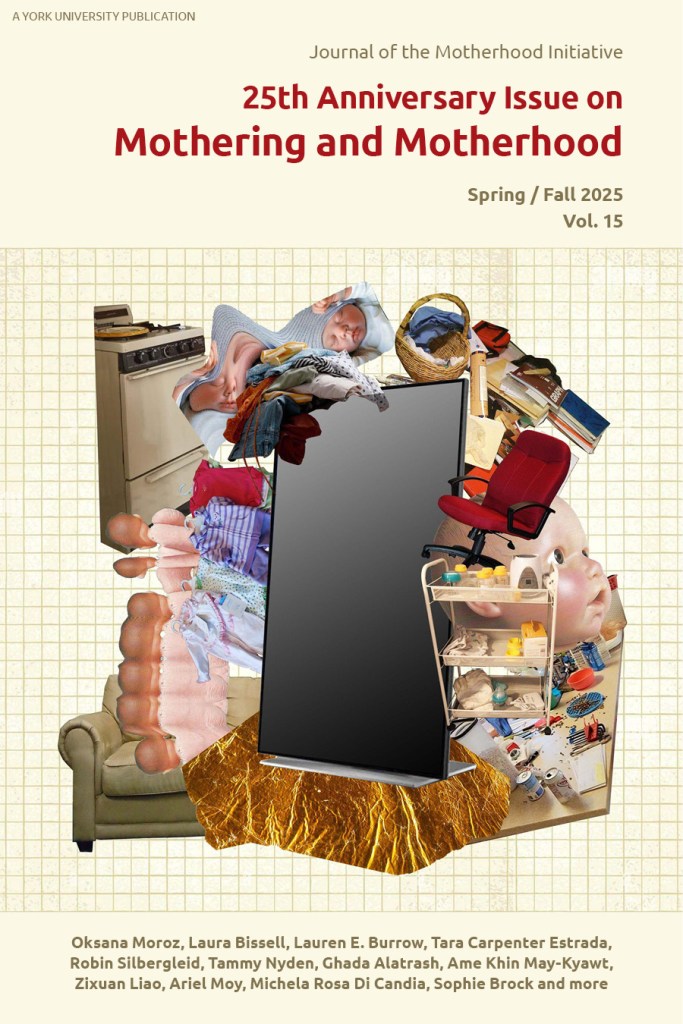
Natality as a Philosophy of Rebirth through the Acts of Mothering and Artistic Production
This article presents the concept of “natality” as a philosophy about how people go through new beginnings or rebirths during their lives, focusing especially on how mothers are socially and symbolically reborn anew when they have children. More broadly, natality refers to a metaphysics of rebirth in the human experience.
25th Anniversary Issue, Journal of the Motherhood Initiative (JMI)
(journal article) 2025
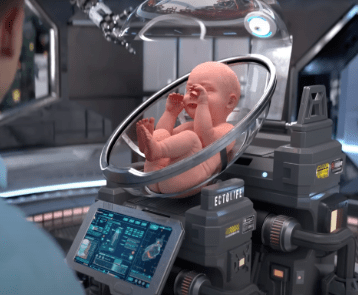
Pregnant Robots, Birth Simulators, Artificial Wombs, and Soul Machines: AI and the Emerging Social Ontologies and Technologies in the Delivery Room
This talk explores the emergence of a wide range of AI technologies used in spaces of pregnancy and birth, first describing some of these technologies, then laying out a framework for how they are changing social ontology and birth as a rite of passage, both from the perspective of pregnant women and from the institutional knowledge of the medical practitioners who utilize AI
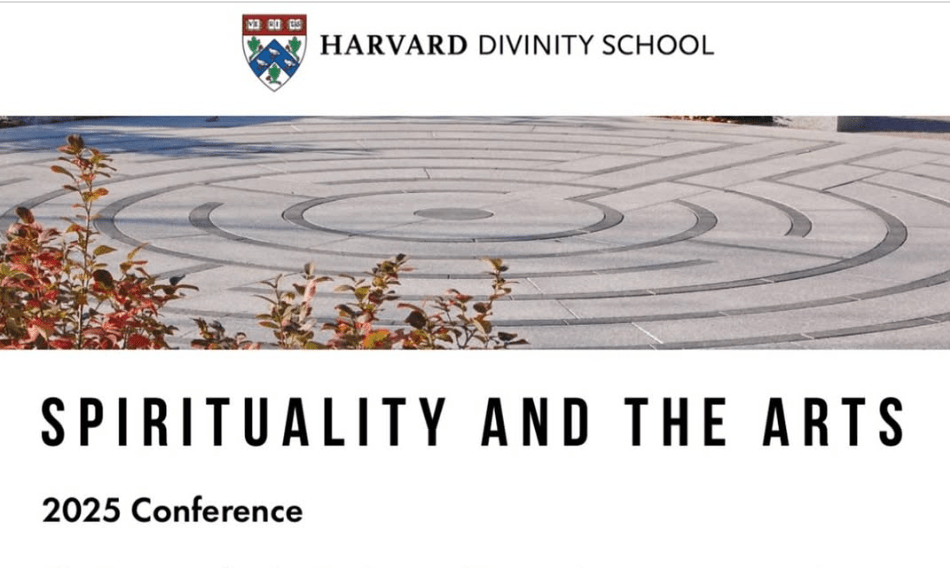
The Rebirth Tunnel Immersive Art Installation:
Art & Rites of Passage
Artist talk – Part of Harvard Divinity School’s Program for the Evolution of Spirituality (PES) and conference on Spirituality and the Arts, this talk discusses the history and description of my Rebirth Tunnel Immersive Art Installation. The talk includes images and video.
Harvard Divinity School
Spirituality and the Arts Conference (2025)
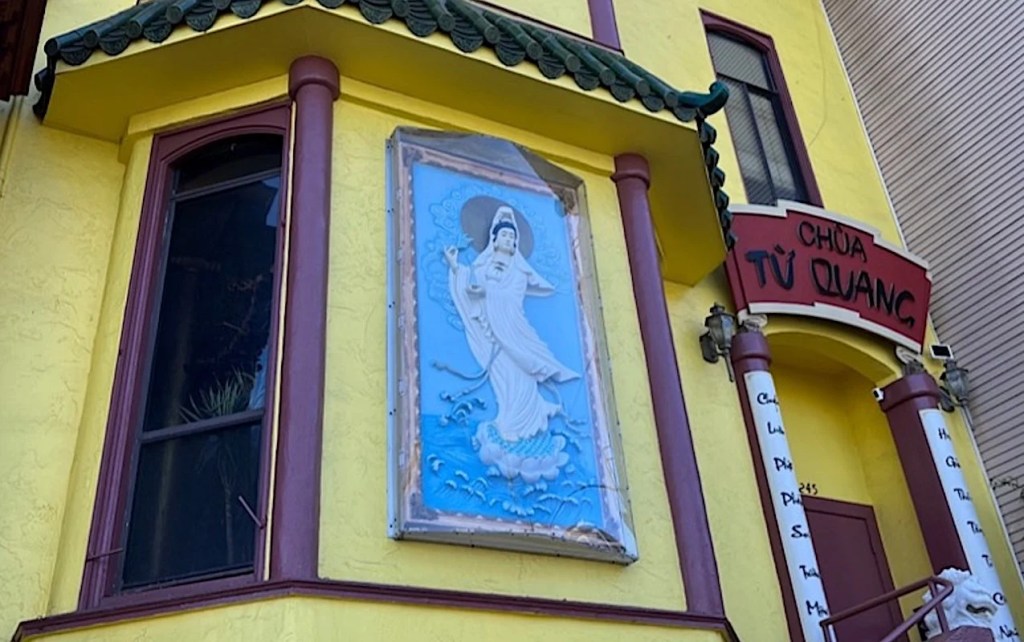
San Francisco’s Tu Quang Temple: Vietnamese Buddhism and Regeneration in the Heart of the City
This is the Tu Quang Temple and Vietnamese Buddhist Association of San Francisco, a central place of worship and community for Vietnamese populations in San Francisco and the greater Bay Area. Like many religious sites in San Francisco, the Tu Quang Temple has both an interesting history and a lively existence into the present day. This article includes historical analysis, as well as original interviews and photographs.
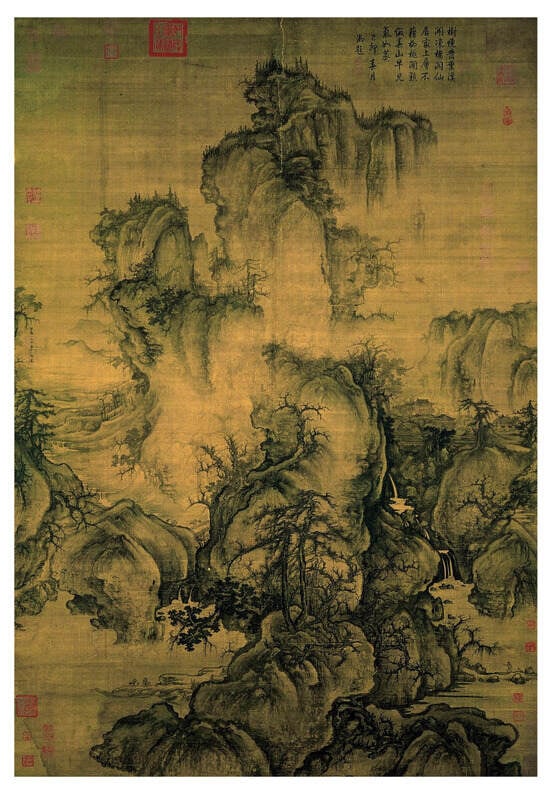
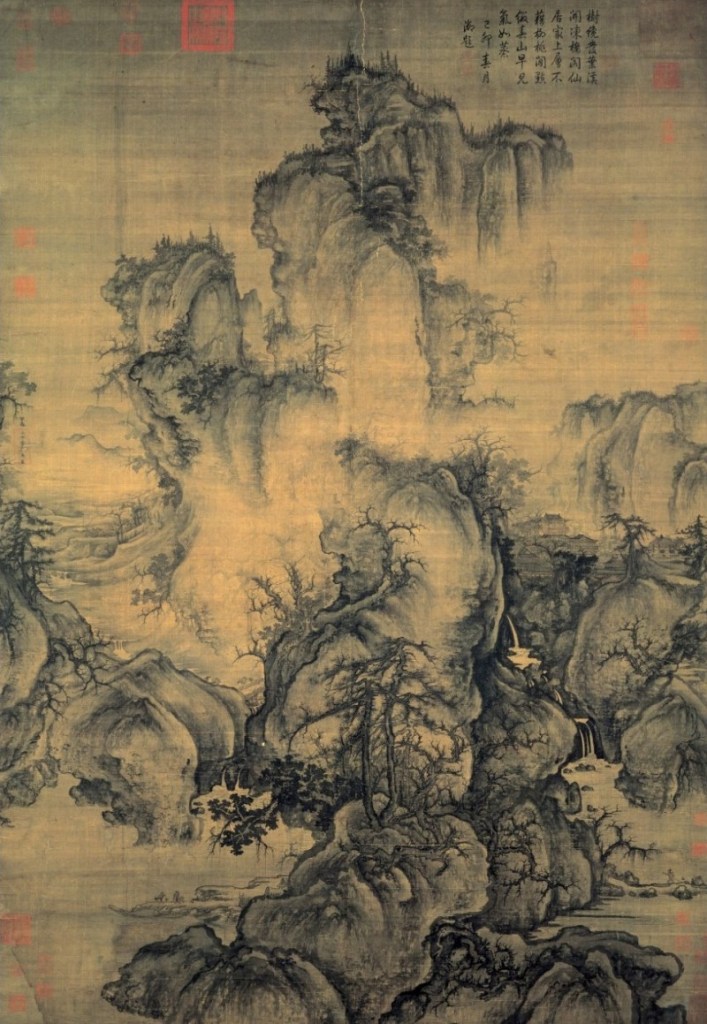
Visualizations of Mountain-Body Fusions in Medieval Chinese Philosophy, Art, and Religion
This article examines how Chinese people affiliated with different religions and ideologies of the Song period (960–1279 CE) used artistic, literary and visual representations to merge mountains and the natural world with the human body. I’ve dedicated the publication to William Powell, Professor Emeritus of Chinese Religions at UC Santa Barbara, my PhD advisor from years ago, and a dear friend in my life since completing grad school
Religions: Special Issue – Art, Religion & Philosophy (journal article) 2024
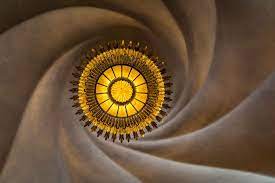
An Eternal Return to Cultural Identity in Modern and Contemporary Catalan Art
Invited Guest Speaker – Talk for Stanford University’s Division of Literatures, Cultures, and Languages: Iberian Studies Program and the Stanford Catalan Association
Stanford University School of Humanities and Sciences Events (2024)
A Philosophy of Collective Intentionality and the Transformation of Meaning During the Contemporary Rituals of Birth
This paper examines collective intentionality, one of the three fundamental elements in a classic theory of social ontology, and how we locate its emergence in the way that individuals and social groups transform the meaning of art and other objects used in the context of contemporary birth rituals.
The Logic of Social Practices II
Springer Sapere (book chapter) 2024
How Childbirth Became Philosophy’s Last Taboo
The humanities study the human condition, something that begins at birth and ends in death. But if the scholarly production on these two topics is any indicator, then academics are more fascinated with death than they are with birth. While one could argue that the historical domination of white men in the academy is part of the problem, the lopsided coverage of these two monumental endpoints of life is quite complex and cannot be reduced to it. Understanding the reasons behind this suppression requires a rethinking of how we address major life transitions.
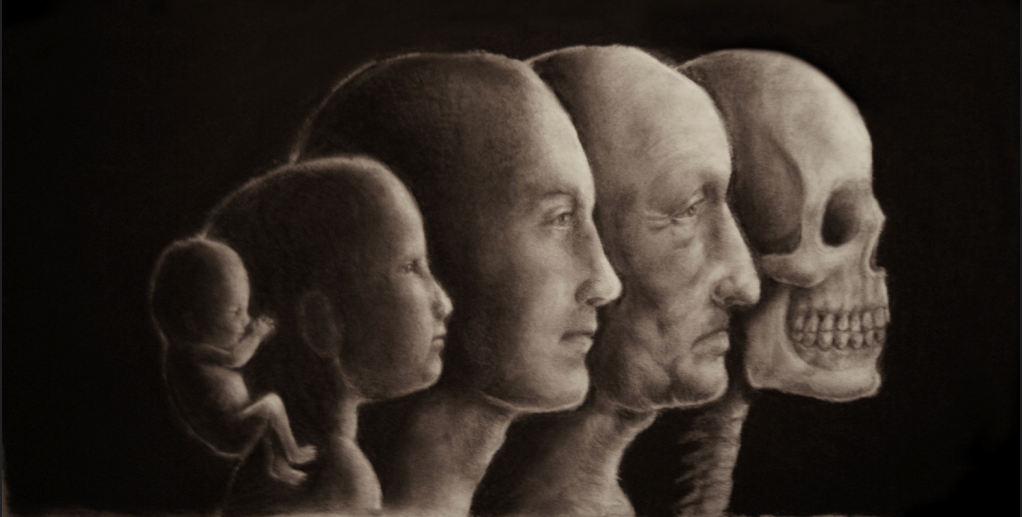
Visualization, Daoism, and Birth: I saw my baby as a river flowing through me, and gave birth
The use of visualization and mental imagery is a part of Chinese Daoism. Contemporary research across areas of science and psychology also shows that seeing images in the mind may impact a person’s physiology. This essay is about visualization, mental imagery, and childbirth.
Aeon+Psyche (essay) 2022
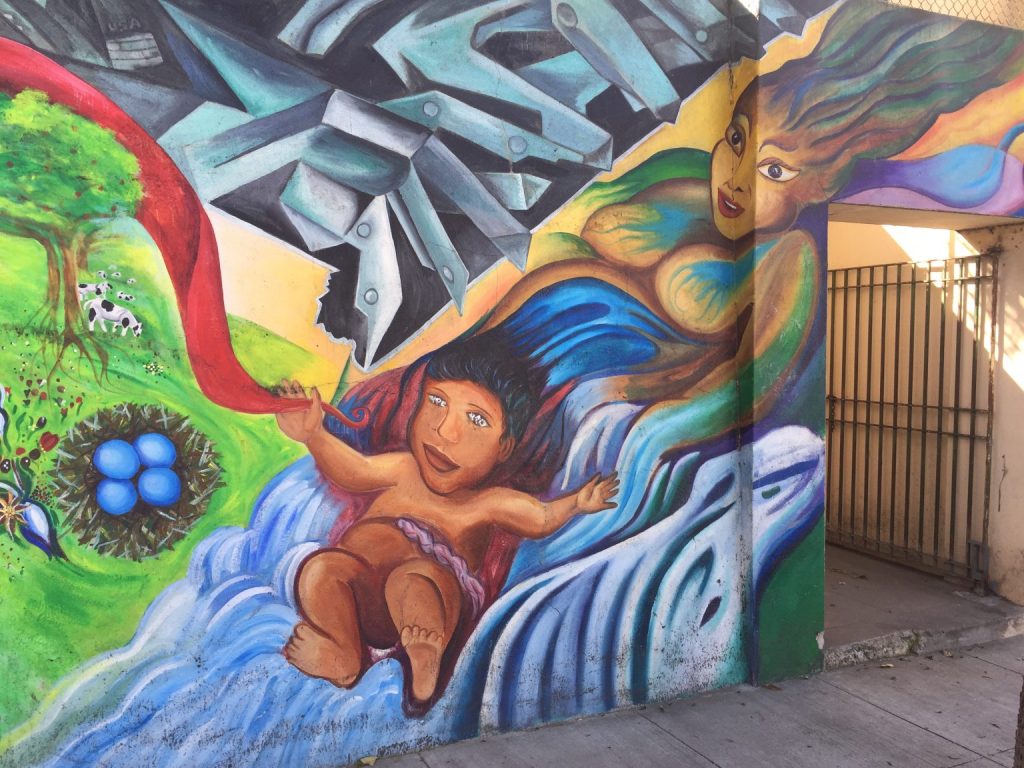
Post Partum Production Podcast Interview: Centering Ritual and Visualization in Birth and Art – A Conversation with Anna Hennessey
In this interview, I discuss my life and work on the topics of birth, rebirth, visualization, ritual, mothering, children, and family with podcast host Kaitlin Solimine.
Matricentric Art: A Philosophy of Maternal Work Through the Act of Creativity
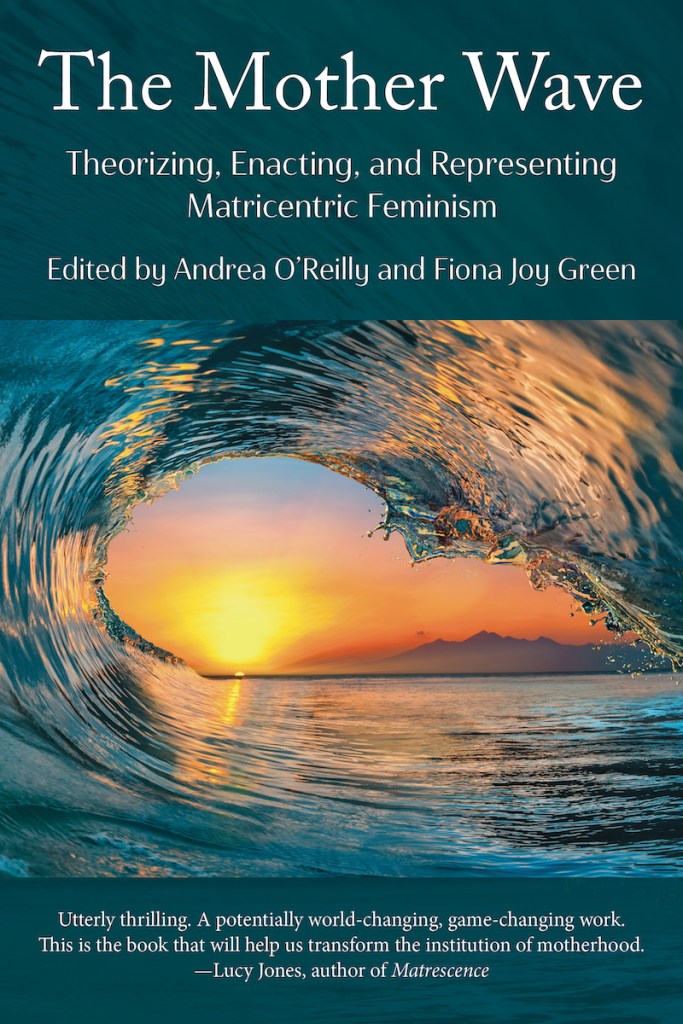
This chapter examines how a rise in artistic production of images related to mothering in the twenty-first century correlates with the emergence of new models of feminism and a philosophy of maternal work through the act of creativity. Matricentric art has created a visual space for collective understandings that mothering in all its forms is a means of empowerment for many women and others from around the globe.
The Mother Wave: Theorizing, Enacting, and Representing Matricentric Feminism
Demeter Press (book chapter) 2024
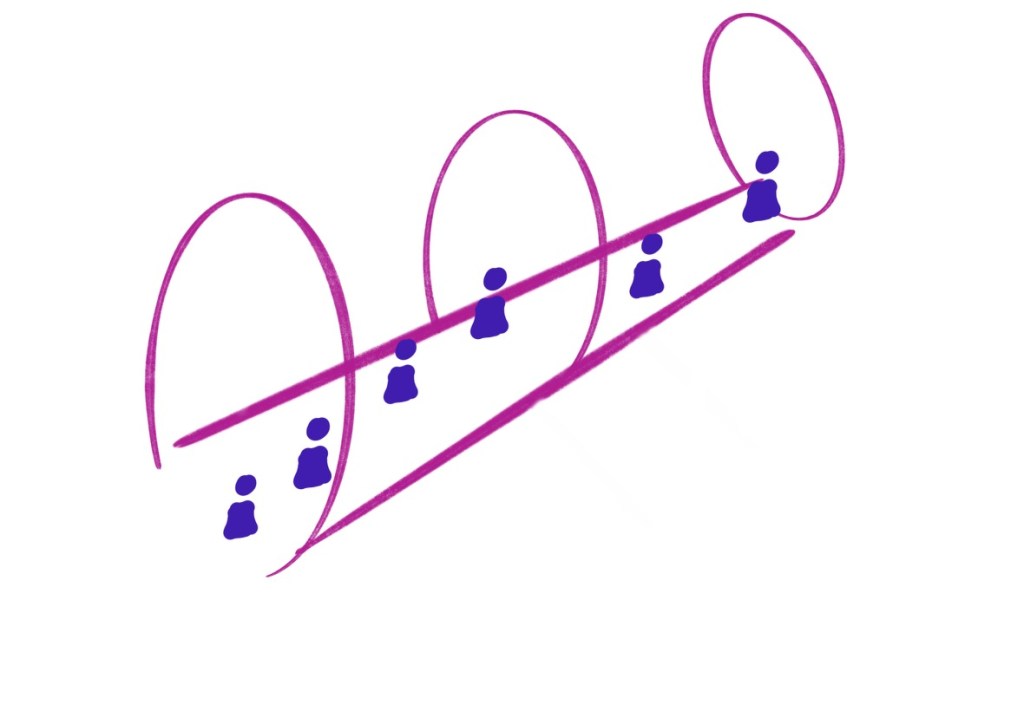
Rebirth Tunnel Immersive Art Experience & Peace in the Middle East
This interactive installation art piece received a 2024 Regional Development Grant from the American Academy of Religion. Presented at the March 2024 Annual Conference of the AAR/WR at the University of Nevada, Las Vegas, the installation promoted symbolic rebirth and community in an academic space. The project, supported also as a tripartite session of AAR/WR’s Women’s Caucus, Islamic Studies Unit, and Jewish Studies Unit, acknowledged the AAR/WR’s hope for peace at a time of war in Gaza.
2024 Annual Conference, American Academy of Religion, Western Region (AARWR),
University of Nevada, Las Vegas (UNLV)
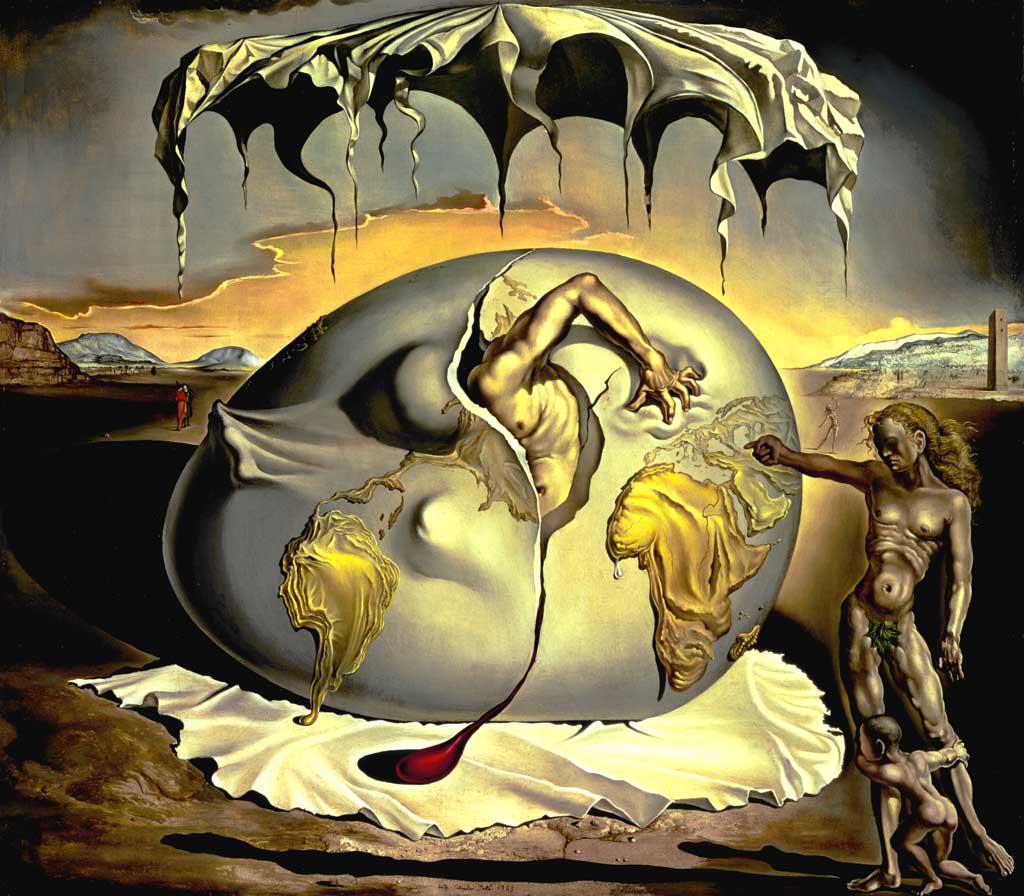
Rebirth and the Eternal Return in Modern and Contemporary Catalan Art and Identity
This article explores how themes of birth, rebirth, genesis and coming into being are present in modern and contemporary Catalan art, focusing on the works of Eugènia Balcells (b. 1942), Xicu Cabanyes (b. 1946), Mari Chordà (b. 1942), Salvador Dalí (1904–1989), and Joan Miró (1893–1983). In particular, the article looks at how these themes emerged for the artists as a way of expressing Catalan identity in the wake of the Spanish Civil War (1936–1939) and the dictatorship of Francisco Franco in Spain (1939–1975), as well as following Catalonia’s broader history as a nation without a state in Europe.
Religions: Special Issue – Art, Religion & Philosophy (journal article) 2023
Chinese Images of Nature, Body, and Cosmos: Visualizing Human Physiology and Homeostasis with the Natural World
A unique representational trope exists in China whereby the human, in its body or character, merges with elements of the natural world. This book chapter shows how representations from different historical and cultural contexts form a subset of this trope, synthesizing nature and the body specifically as pertains to the body’s internal physiological processes. Chinese images, like a language, remind their viewers that the human body is not separate from the natural world and the cosmos but is an integral and homeostatic part of them.
Springer (book chapter)
United Nations Sustainable Development Goals Series (2022)
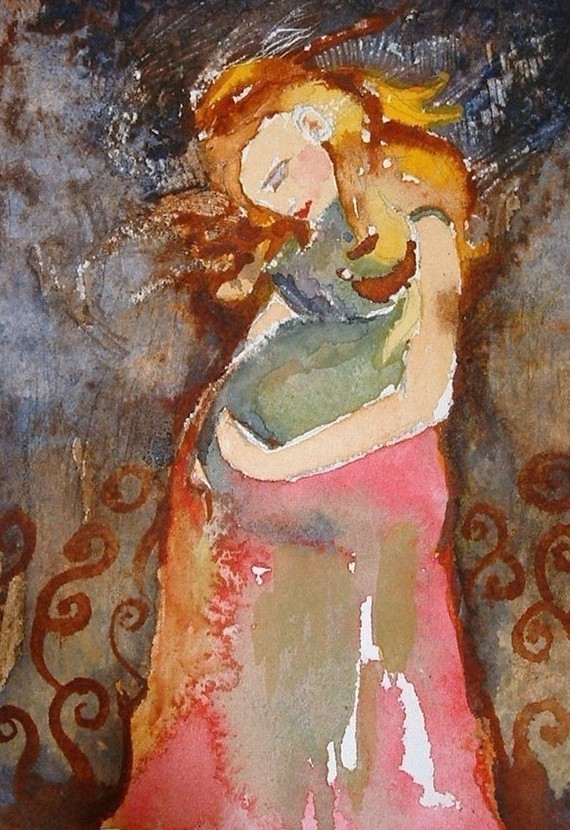
Ritual and Art in a Philosophy of Birth
The topics of gestating and being born, as well as those of being pregnant and giving birth, involve complex queries that branch into all areas of philosophy. This book chapter looks at one particular juncture of philosophy, religion, and art as they converge around the topic of birth. The point of convergence occurs during contemporary rituals of birth, when the ontology of art and material culture about birth—their social meaning—alternates between sacred, secular, and re-sacralized spaces.
A Case for the Virtues of Propaganda
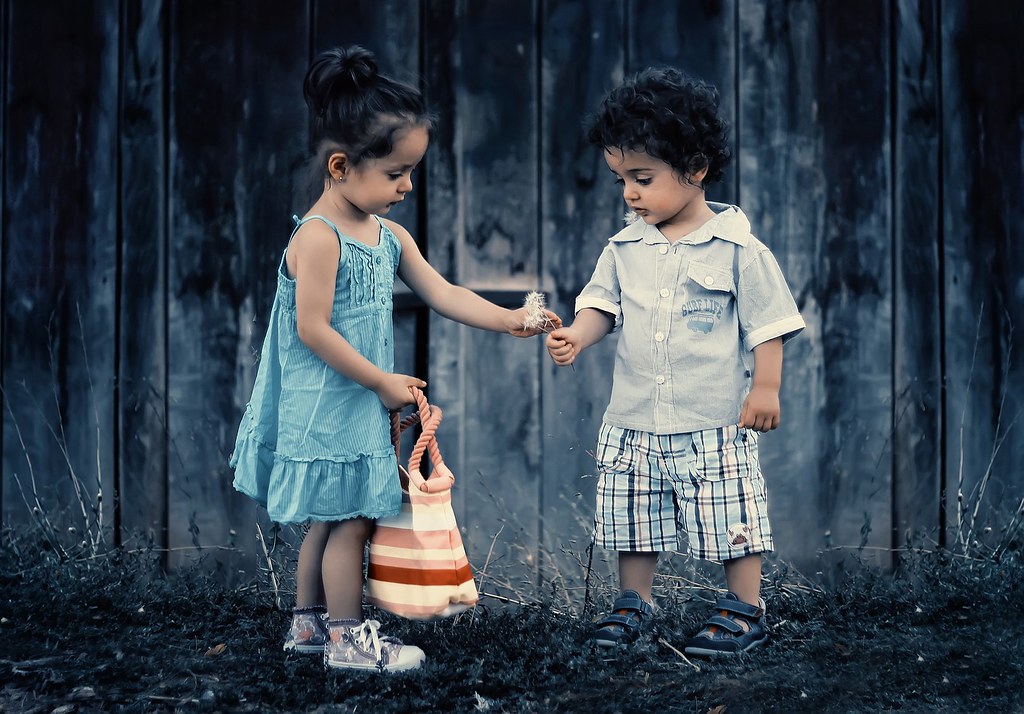
The word ‘propaganda’ comes from the Latin propagare, which simply means ‘to spread’ or ‘propagate’, and finds its origins in the context of furthering Catholic missionary activity. However, its contemporary usage connotes the spreading of an idea or ideology through any means, often of a negative, manipulative nature. Some therefore view the concept of ‘positive propaganda’ as an oxymoron due to the word’s association with manipulation. However, propaganda can also bring about a real transformation of a public mindset for the good. The intelligent use of words and images is of central importance to this undertaking.
Aeon+Psyche (essay) 2023
Synesthesia and the city in Ron Poznicek’s paintings of San Francisco
Ron Poznicek’s paintings of San Francisco show the city’s mood on an overcast day, the glistening of a streetlight on rainy pavement, the feel of a car parked sideways on a hill and the loom of a building’s shadowy bulk in a downtown landscape. Viewers do not just see the soft glow of sunlight on Poznicek’s painted streetcars, they feel the warmth of the glow on their faces. The sensation of walking through San Francisco’s fog and mist is palpable when looking at some of Poznicek’s atmospheric paintings of the city on a foggy day. And it is through vision, not listening, that Poznicek’s viewers hear the grate of a San Francisco streetcar on its tracks. The artist’s paintings are synesthetic, tapping into a blend or crossover of the perceptions we experience when in the city.

Religion, Nonreligion and the Sacred: Art and the Contemporary Rituals of Birth
This paper looks at the role of art and material culture in the rituals of birth, first taking into consideration research on material culture in traditional rituals of birth and then turning to the primary topic, which is how art in the contemporary rituals of birth often holds sacred meaning even when the ritual is of a nonreligious nature.
Religions: Special Issue – Rituals of Birth and Death (journal article) 2021
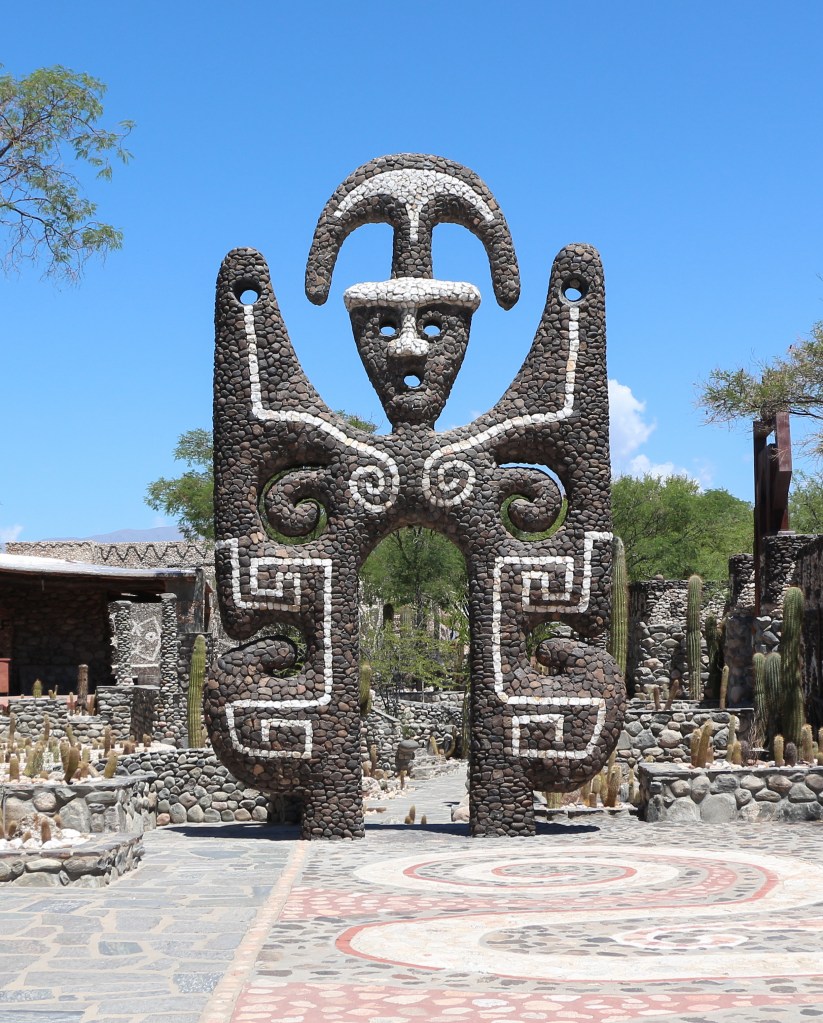
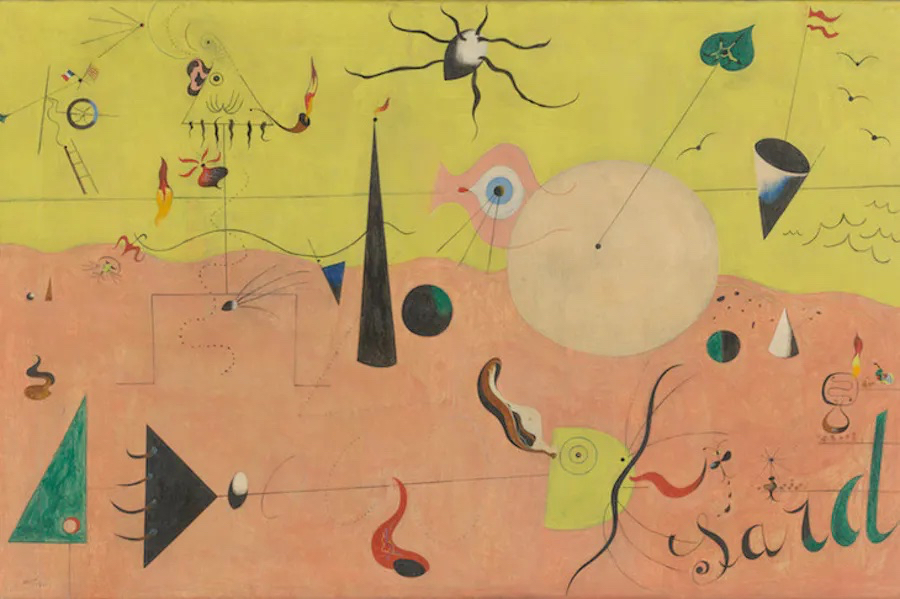
Birth, Art, Trauma and Catalonia: The Eternal Return as Cultural Identity
This video shows how through their representations of birth, modern and contemporary Catalan artists have captured a Catalan spirit of an eternal return in the physical form of art. The artists discussed include Salvador Dalí (1904-1989), Joan Miró (1893-1983), Mari Chordà (b.1942), Xicu Cabanyes (b.1946) and Eugènia Balcells (b.1942).
Vimeo (video) Presidential address,
2021 American Academy of Religion, Western Region Annual Conference.
Version with Catalan subtitles presented at the Universitat Catalana d’Estiu available: La maternitat, trauma i naixement en l’art català
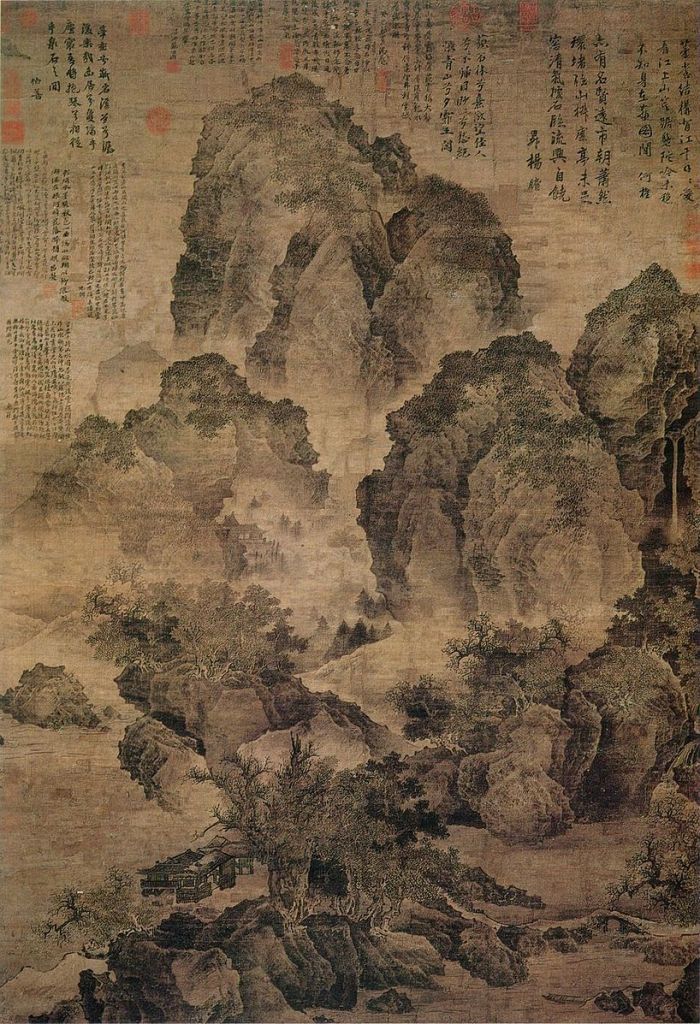
Song Landscape Paintings and Daoist Alchemical Body Charts
In the material culture of Song China (960–1279 CE), a synthesis of the human body with mountains and the natural world emerges in the paintings of monumental landscape artists, the writings and paintings of the Chinese literati, Neo-Confucian architectural developments on sacred mountains, Chan Buddhist art, and Daoist alchemical body charts. This paper looks at how mountain-body representations emerged specifically in the visual contexts of Song landscape painting and Daoist alchemical diagrams (or maps tu 圖).
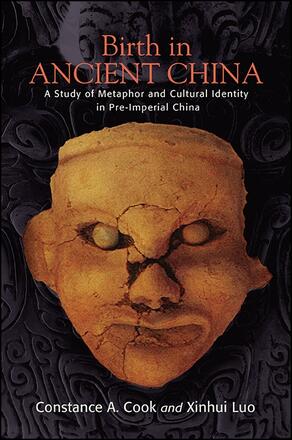
Review of Birth in Ancient China: A Study of Metaphor and Cultural Identity in Pre-Imperial China by C.A. Cook and X. Luo
In this small, dense book, Constance A. Cook and Xinhui Luo analyze ancient Chinese texts to reveal how the topic of birth was of key importance to understandings of lineage and cultural heritage during ancient China. The authors also explore the more abstract themes of birth connected to mythical creation, internal transformation, genealogy, and cosmic reproduction. Focusing on material in China’s earliest birthing records, which date back to the Shang period (second millennium BCE), the book also includes translation and exegesis of the Chu ju 楚居, a fourth-century BCE bamboo manuscript devoted to the topic of birth and its relationship to royal lineage. The book shows how birth and the birthing body, though deeply marginalized and underrepresented topics within the humanities today, were focal to the cultural and philosophical developments of ancient Chinese thought and practice
Representations of Birth and Motherhood as Contemporary Forms of the Sacred
This book chapter explores the use of religious, secular, and re-sacralized art imagery in the visualization of labour and birth and as a ritualistic part of birth as a rite of passage. The chapter also looks at how anti-essentialism in feminism grew in part as a reaction to the alternative birth movement of the late twentieth century.
Demeter Press (book chapter) 2015

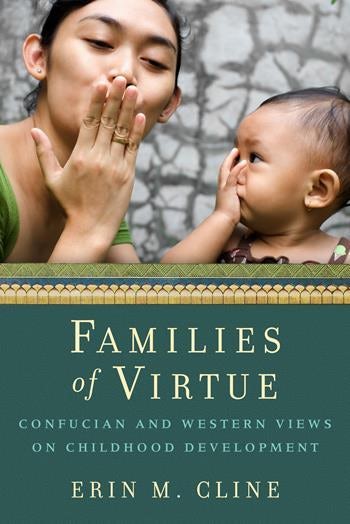
Review of Families of Virtue: Confucian and Western Views on Childhood Development” by Erin M. Cline
A growing body of research in fields across the sciences has shown the profound impact that early parent-child relationships have on the physical, social, emotional and psychological developments of children. On a primary level, the architecture of a child’s brain is significantly affected by social experiences with parents and caregivers during the first three years of life. In Families of Virtue, Erin Cline addresses the importance of these findings and relates them to Chinese philosophy, exploring how early Confucian thinkers emphasized a critical connection between parent-child relationships and human development, especially as pertains to moral development.
Mountains as Humans and Humans as Mountains in Medieval Chinese Philosophy, Art & Religion
This is a short preview to a 3 course video series that explores how mountains are represented as humans and humans are represented as mountains in the art and culture of China’s Song Period, which dates from 960-1279 CE.
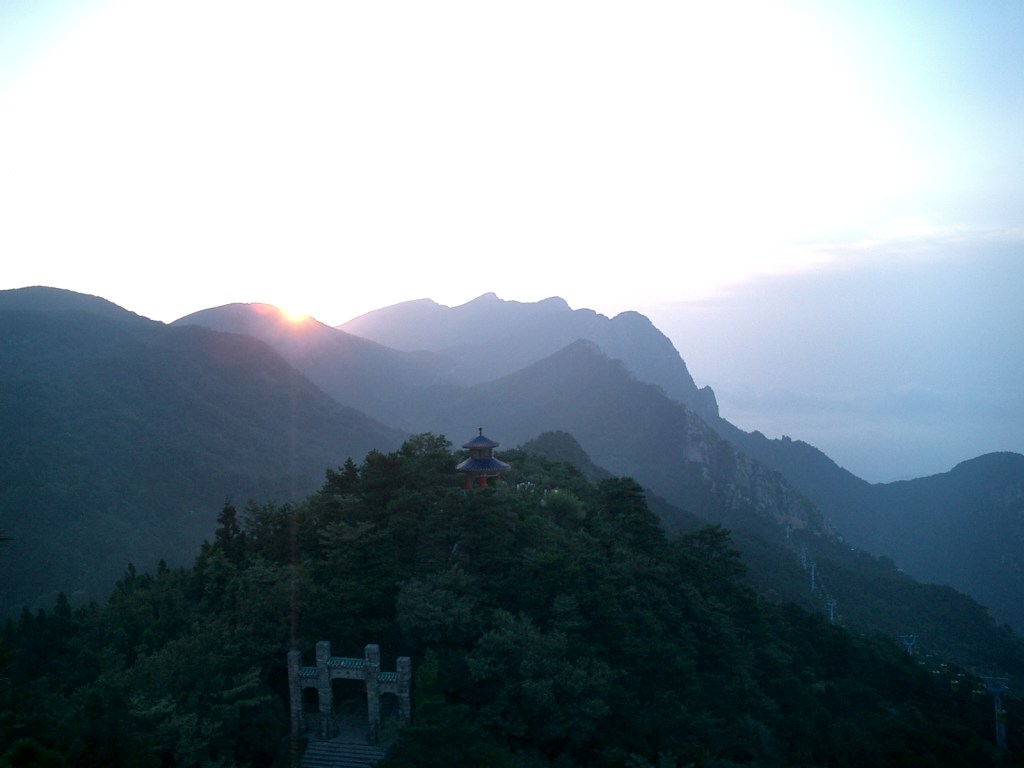
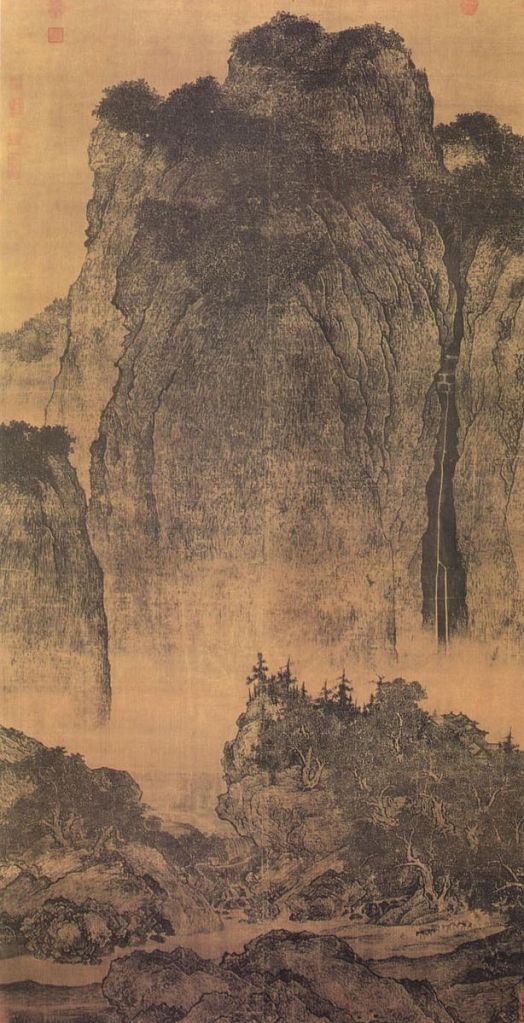
Mountains as Humans and Humans as Mountains (Part I): The Imperial State, Neo-Confucianism and the Natural World
This video explores art connected to the imperial state of China’s Song Period (960-1279 CE). Of particular interest to this video is the way in which some artists of the Song period represented a merging of human bodies and mountains through their work. In these cases, the political sphere and the Confucian and Neo-Confucian thought of the time influenced their artistic production. The video includes a discussion of China’s medieval literati culture.
Udemy Course
(Video)
Mountains as Humans and Humans as Mountains (Part II): Representation and Alchemy in Medieval Daoism
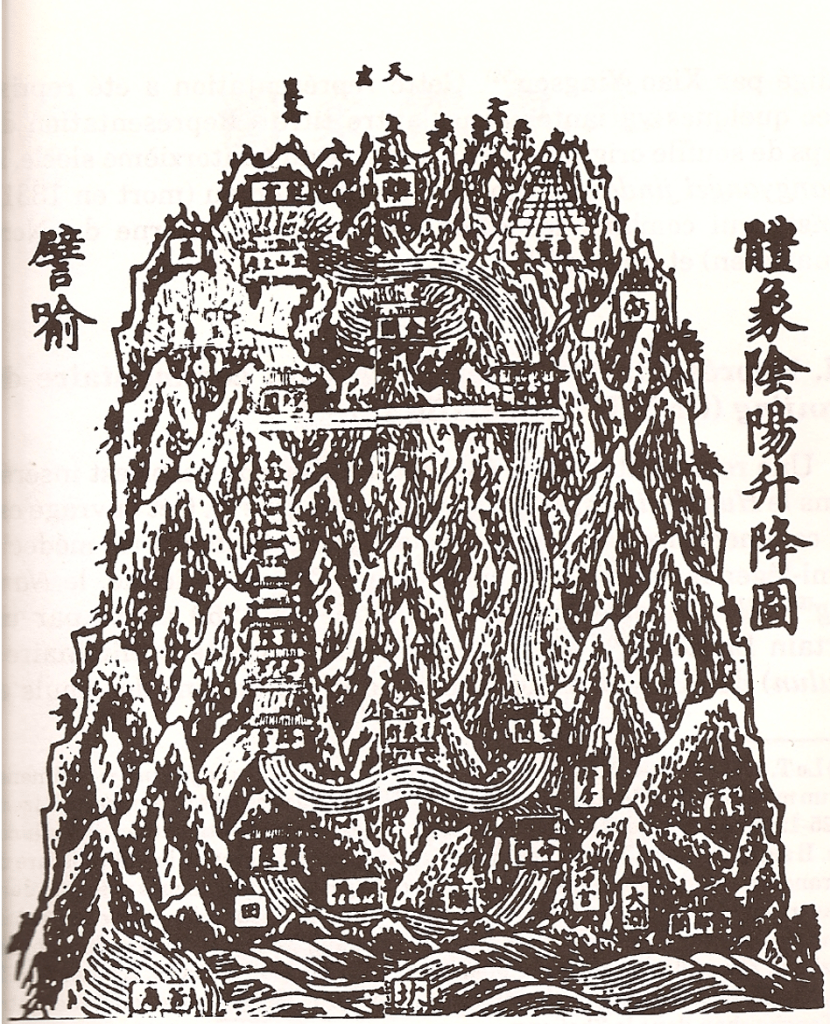
This video examines how Daoist groups during China’s Song Period (960-1279 CE) developed an important type of representation—the map or diagram (tu 圖) of the body—in which they depicted the human body microcosmically and containing of an inner landscape. The development of these Chinese alchemical representations occurred in close parallel with the rise of internal alchemy, or neidan 內丹. Externalization in the form of mountain-body representations rose as one way through which the process of internalization could be expressed and utilized.
Udemy Course
(Video) 2021
Mountains as Humans and Humans as Mountains (Part III): Chinese Buddhism and the Art of Liang Kai
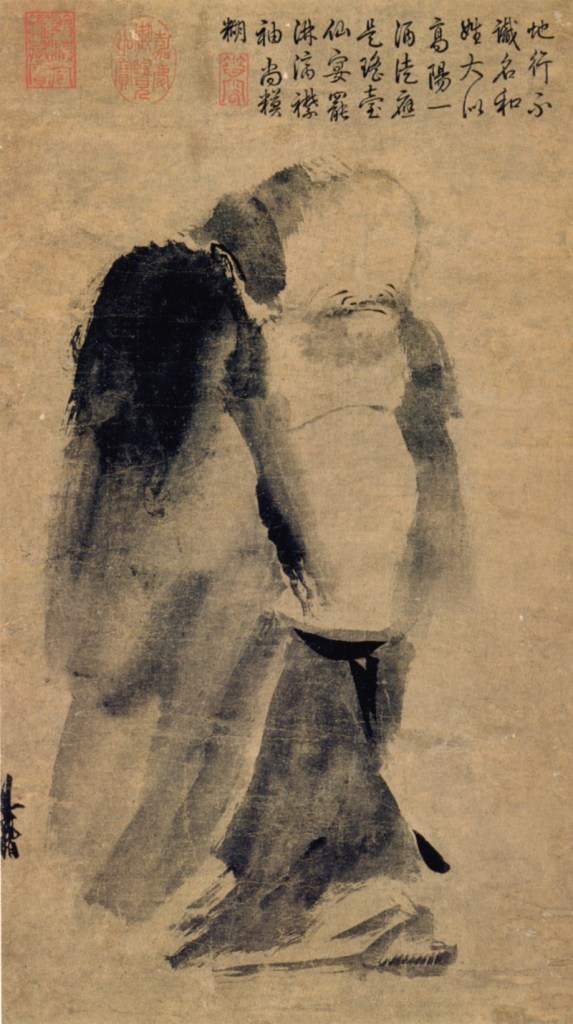
This video examines a new style of ink monochrome painting that emerged in China during the Southern Song period (1127-1279 CE), characterized by its spontaneous strokes of the brush. In some of the works, an amalgamation between human body and natural world emerges, and paintings of humans look like paintings of mountains or other objects of the natural world. Of central interest to this video is the artwork of Liang Kai, a reclusive artist who was connected to Chan (Zen) Buddhist communities in and around the Southern Song capital city of Hangzhou.
Udemy Course
(Video) 2021
When Fascism Won’t Die: Why We Need to Support Catalonia
This article, published immediately before Catalonia’s now infamous democratic referendum held on October 1, 2017, looks at events leading up to the referendum and examines how a purge of government officials never took place when the dictatorship of Francisco Franco (1892-1975) ended upon his death in 1975. This leadership has had a lasting impact on how Spain’s government makes its decisions about Catalonia, a region traumatized during and after the Spanish Civil War (1936-1939) due to its resistance to Franco’s regime.
Counterpunch (essay) 2017
The Troublesomeness of Metaphysicians: Subjectivity, Objectivity and Aesthetic Relativism
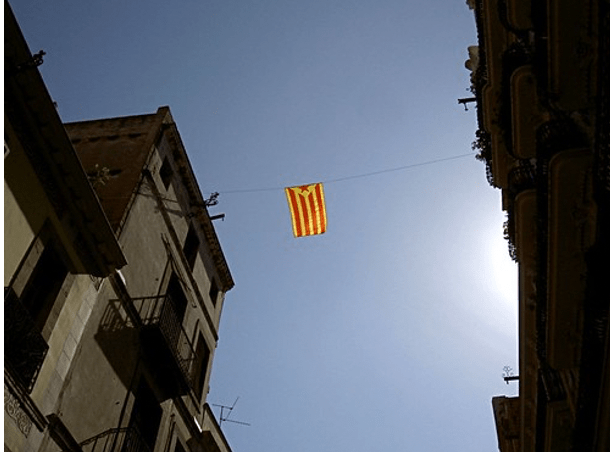
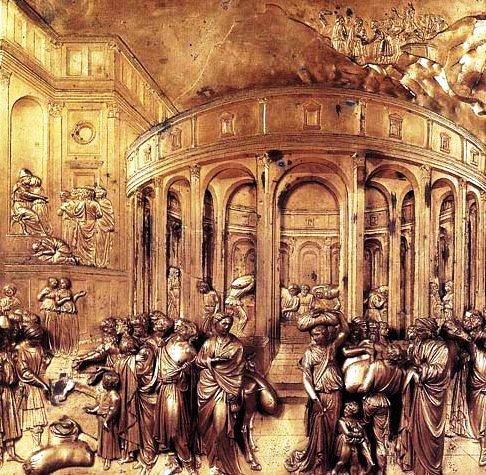
John Ruskin (1819-1900) once described the terms objective and subjective as “the most objectionable words that were ever coined by the troublesomeness of metaphysicians.” As part of the humanities, art history has described the post-Enlightenment age as a time marked by these two “objectionable words.” This book chapter examines how both objectivity and subjectivity are integral to the structure of art, as organic as that structure may be.
Review of The Impact of Ritual on Child Cognition by Veronika Rybanska
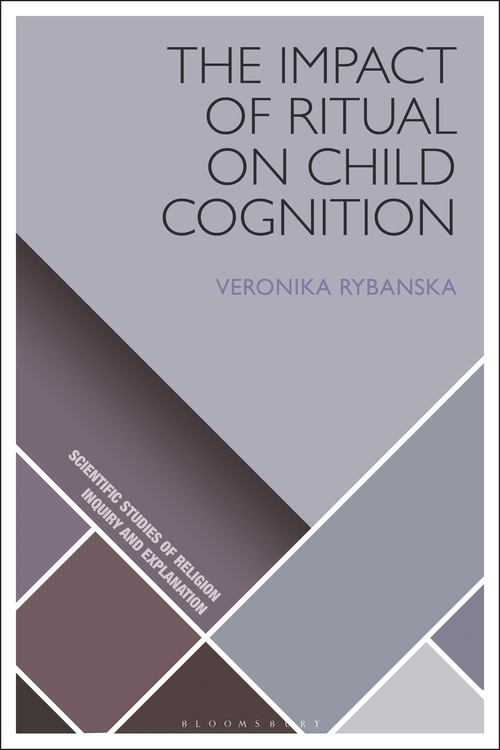
Veronika Rybanska’s The Impact of Ritual on Child Cognition, published as part of the “Scientific Studies of Religion: Inquiry and Explanation” series, develops a new approach to studying the effects of ritual on the cognitive development of children. Advancing an experimental study of ritual in two different cultures, Slovak and Ni-Vanuatu, Rybanska seeks to synthesize her research in an interdisciplinary way, utilizing work in cognitive science on the processes of executive function abilities, anthropological research on ritual, and studies in child psychology on the ability to delay gratification. In doing so, the author’s primary theory is that an individual’s executive function is improved through the participation in rituals, which is also connected to the ability to delay gratification.
Review of God and Caesar in China: Policy Implications of Church-State Tensions
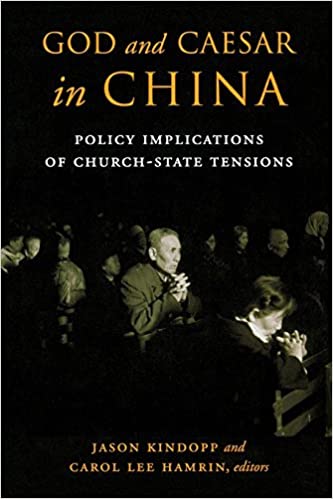
This book grew out of a conference sponsored by the Pew Civitas Program in Faith and Public Affairs at the Brookings Institution in February 2002. The ten chapters of the volume are devoted both to the history of Christianity in China, and to the possibility of religious freedom in contemporary China. The volume also brings attention to relationships between China’s domestic policies on religious freedom and its international position within the global economy, including its December 2001 accession to the World Trade Organization (WTO). Carol Lee Hamrin, former senior Chinese affairs specialist at the U.S. Department of State, and author of the final chapter, suggests that the state of religious freedom in China will affect, for better or for worse, U.S.-China relations. While informative on a historical level, the book acts politically here, warning not only of a Chinese rejection of religious freedom in general, but more specifically of such rejection and the state of Christianity in China.
Epoché: The University of California Journal for the Study of Religion
(book review) 2004
Early Medieval Chinese Painting
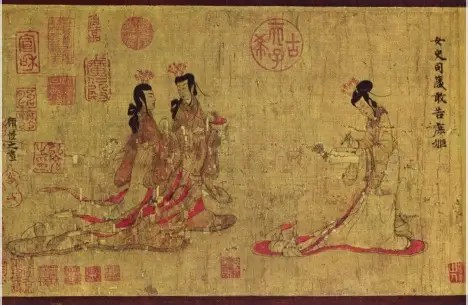
After the fall of the Han Dynasty (206 BCE – 220 CE), Buddhism entered China and flourished during the Period of Disunity (220-589 CE). The arrival of the new religion influenced many aspects of Chinese art and culture. As the Chinese domesticated Buddhism over the course of a few centuries, the writings and practices of Buddhism transformed in China. Similarly, traditional Buddhist art originally developed in India also integrated with indigenous and secular forms of painting in China.
World History Encyclopedia, ABC-CLIO
(encyclopedia entry) 2011
The Intellectual Marginalization of Childbirth and Its Real-World Implications
The care, love, and education of children should be of central interest to all concerned with individual cultivation and the bettering of society. Yet work-related achievement is often prioritized over the activities of childbirth or child rearing. We see this priority manifested in both public spending and governmental policies; as well as in our cultural beliefs about the importance of paid work. This paper explores how ignoring birth and parenting on an intellectual level participates in diminishing the topic more broadly on the cultural level, and this has real-world implications for how our societies treat children, women, and families
Journal for Prenatal & Perinatal Psychology & Health
(journal article) 2018
Spinoza, Substance and Subjectivity in Hegel’s Lectures on the Philosophy of Religion
This paper assesses Hegel’s (1770-1831) treatment of the difference between subject and substance as found in The Concept of Religion, or the first part of his Lectures on the Philosophy of Religion: The Lectures of 1827. The paper evaluates the logical soundness at the heart of Hegel’s argument for a dialectical union, mediated by human reason alone, as necessarily at work between God and humanity.

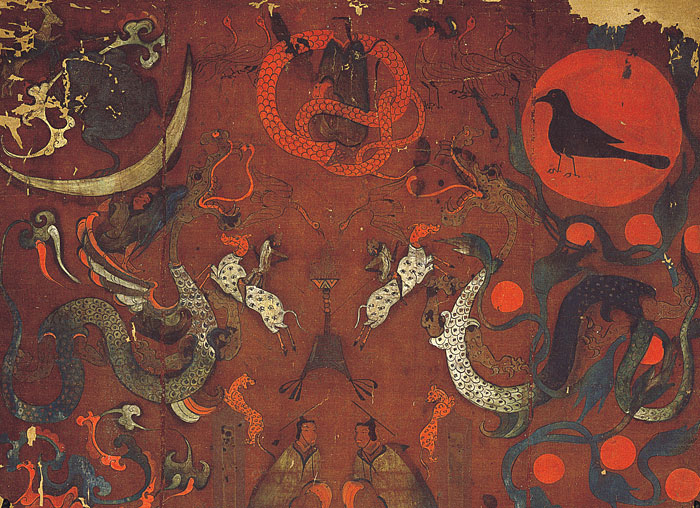
Representations of the World and Cosmos in Chinese Tomb Décor
Tomb construction in China dates to its Neolithic period (10000-2000 BCE) and continues today. But it underwent significant changes between the end of the Zhou period (1027-256 CE) and the Han dynasties (206 BCE – 220 CE). These changes, which are material, represent the shifting ways in which the Chinese understood their relationships to both world and cosmos.
World History Encyclopedia, ABC-CLIO
(encyclopedia entry) 2011


Anna Hennessey, PhD
 annahennessey.com